Main Documentation: Area 372
프로젝트 개요
- 해결 과제
- 특정 기능이 사라진 뒤에도 공간이 계속 사용되려면 무엇을 설계해야 하는지 질문했다.
- 접근 방식
- 용도를 미리 지정하지 않은 ‘의도된 빈 공간’을 만들고, 그 안에서 발생하는 활동과 가변 요소를 관찰·기록했다.
- 담당 기여
- 공간 개념과 실험 방식을 수립하고 전시와 영상 기록을 통해 사용자가 공간의 의미를 정하는 과정을 정리했다.
- 결과
- 고정된 프로그램 대신 사용자의 행위를 관찰하는 공간 실험과 기록 영상을 제작했다.
"명확한 기능으로 설계된 공간은 그 기능을 잃었을 때 생명력을 잃는가?"
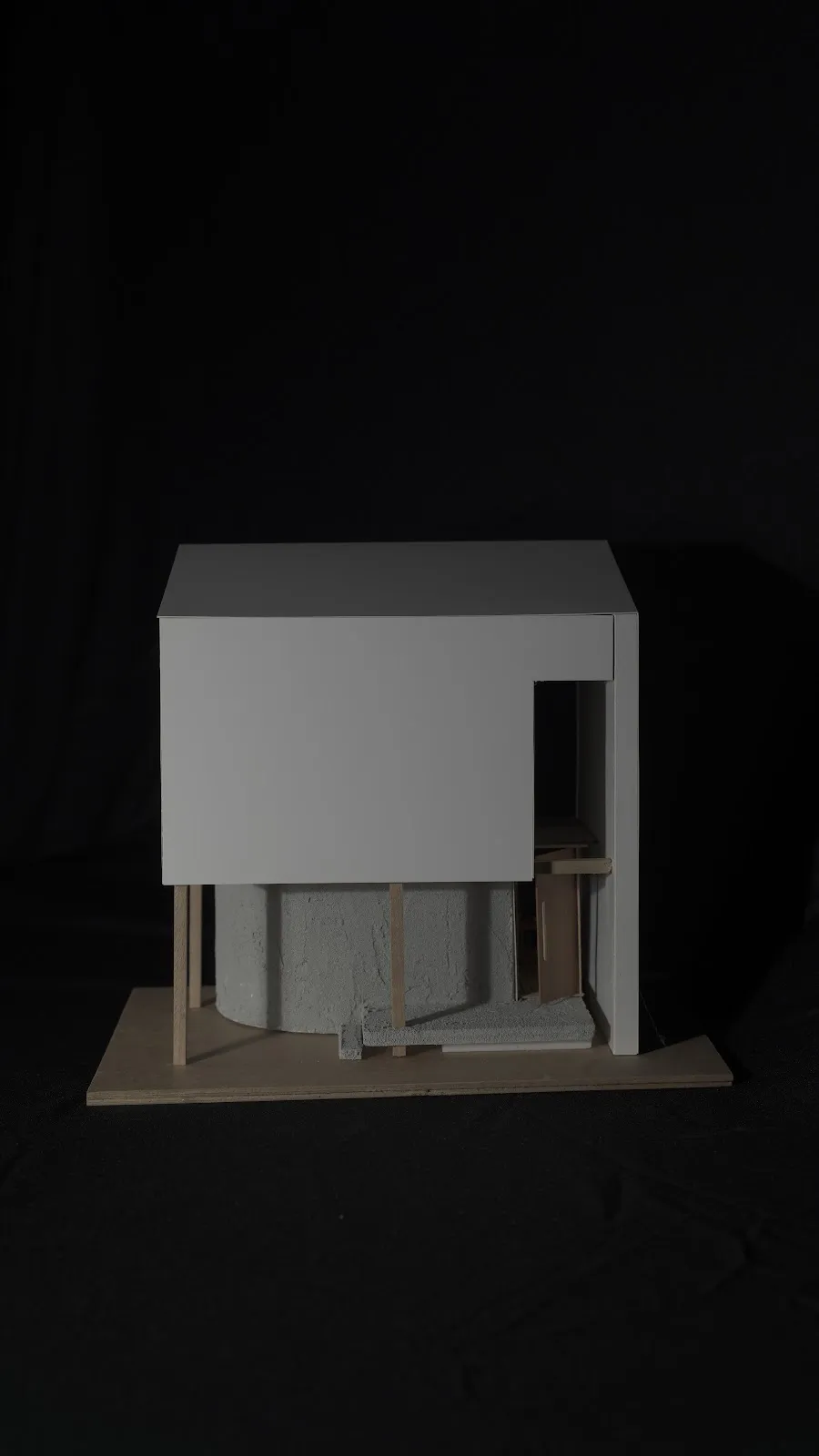
건축이 기능을 제안하고 그에 따라 움직이는 것이라면, 프로그램을 미리 정하지 않은 공간은 더 넓은 범위의 사용을 받아들일 수 있다. 이것은 단순한 공터가 아니라 의도된 '빈 공간'이 도심에서 어떻게 작동하는지 묻고, 공간의 정의를 사용자에게 맡기는 건축적 실험이다.
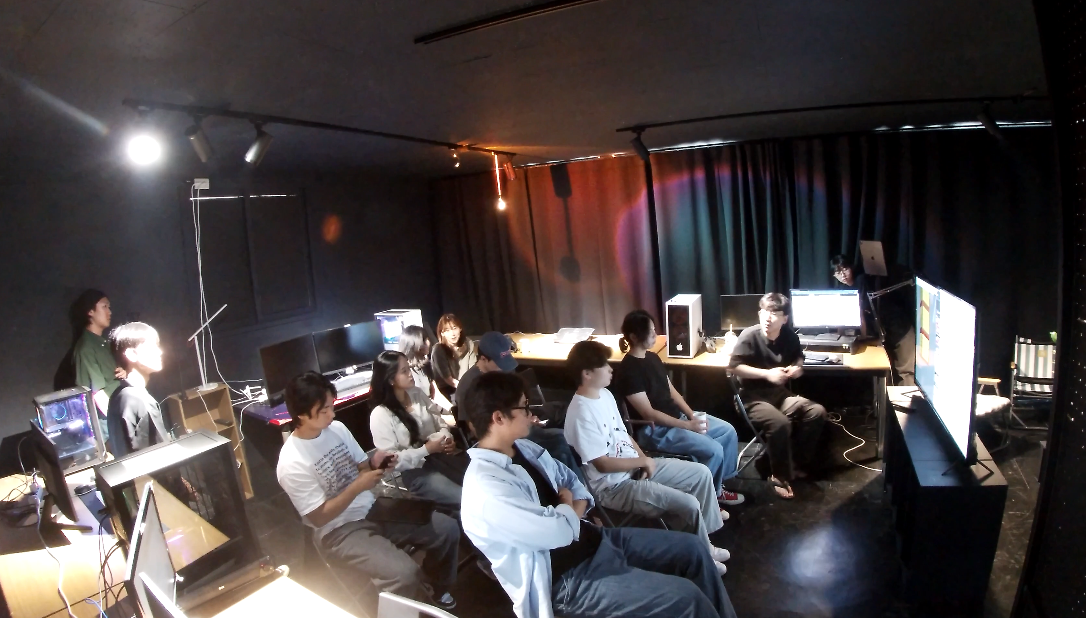
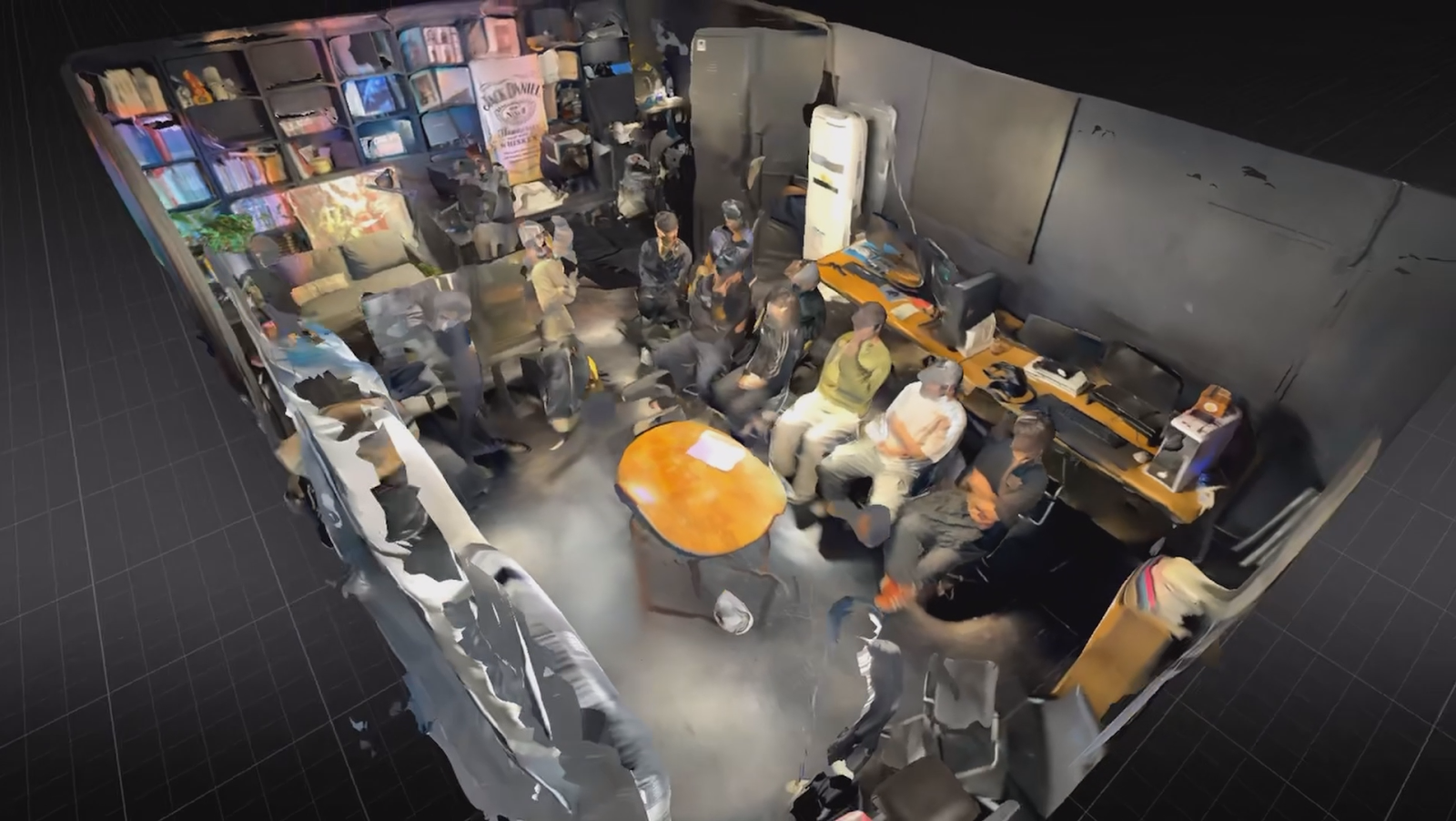
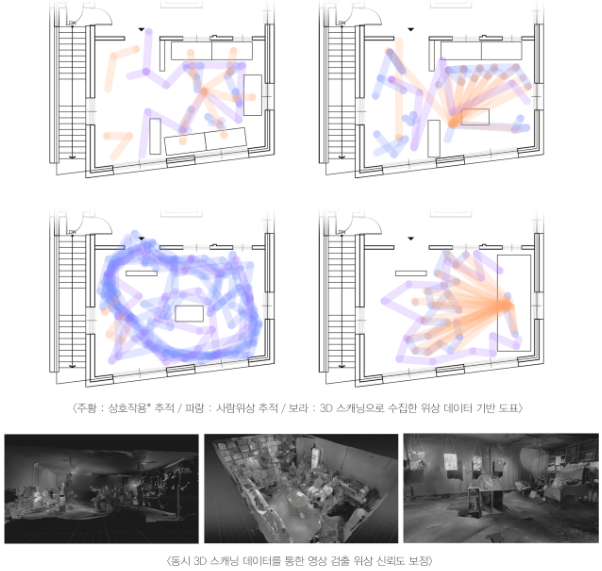
공간을 특정 프로그램이나 이벤트로 한정하지 않고, 그 안에서 발생하는 비정형 활동과 가변 요소를 관찰했다. 이 기록은 사용 방식이 정해지지 않은 공간에서 무엇이 생기고 어떻게 변하는지 검토하기 위한 자료로 사용했다.
English
"Does a space designed for a specific function become useless when it ceases to function?"
If architecture usually begins by assigning functions, a space without a fixed program can accept a wider range of uses. This is not merely a vacant lot, but an intentional 'void' that asks how users define space through occupation.
Rather than assigning a program or event, we observed informal activities and the variable elements that responded to them. The resulting record documents what occurs in an undefined space and how its use changes over time.
Process & Experiments